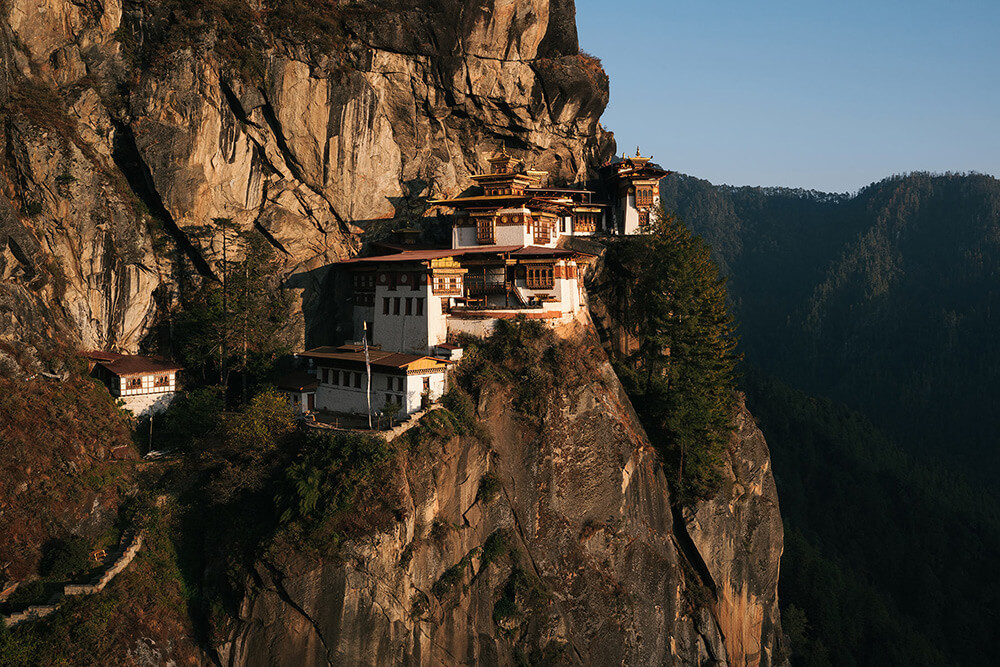
If there’s one place that everyone visiting Bhutan dreams of, it’s Tiger’s Nest Monastery or Paro Taktsang as the locals call it. Perched high on a cliff nearly 900 meters above the Paro Valley, this monastery looks like something straight out of a fantasy novel.
The Journey That Changes You
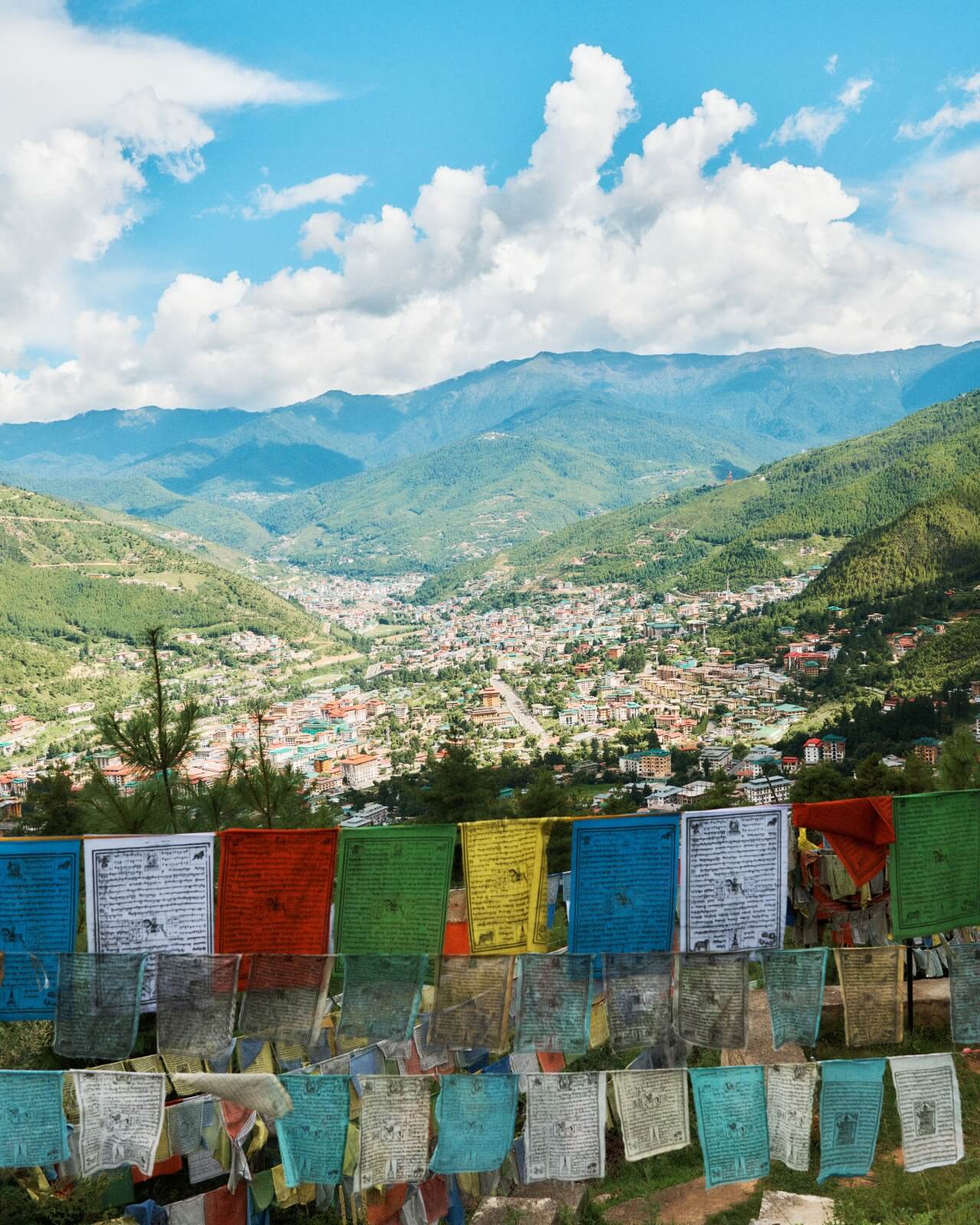
Getting there is part of the adventure. Most travelers start from Paro town, a short drive from Bhutan’s airport or capital, Thimphu. From the trailhead, it’s a steady uphill hike through pine forests, with prayer flags fluttering overhead and the scent of incense in the breeze. Halfway, you’ll find a quaint teahouse perfect for catching your breath and soaking in the first stunning views of the monastery clinging to the rock face.
Don’t underestimate the trek! It takes about 2 to 3 hours one way, depending on your pace. The final approach climbing a series of stone steps. It’s steep, but every step feels worth it.
When to Go
Plan your visit in spring or autumn. These seasons offer crisp, clear skies and the forests are either bursting with rhododendron blooms or painted with autumn gold making every snapshot unforgettable.
Why It’s So Special
Legend says Guru Rinpoche, the founder of Bhutanese Buddhism, flew here on the back of a tigress to meditate and tame demons. The monastery was built where he rested, and since then, it’s become a spiritual beacon.
Inside, you’ll find sacred relics, ancient murals, and monks quietly chanting a serene contrast to the physical effort it takes to get here.
Tips From Those Who’ve Been There
- Start early to beat the crowds and enjoy cooler air.
- Bring water and snacks, but please carry out everything to keep the trail pristine.
- Respect the monastery’s dress code, dress modestly.
- Photography isn’t allowed inside, but the views outside are worth a thousand photos.
The Feel Good Moment
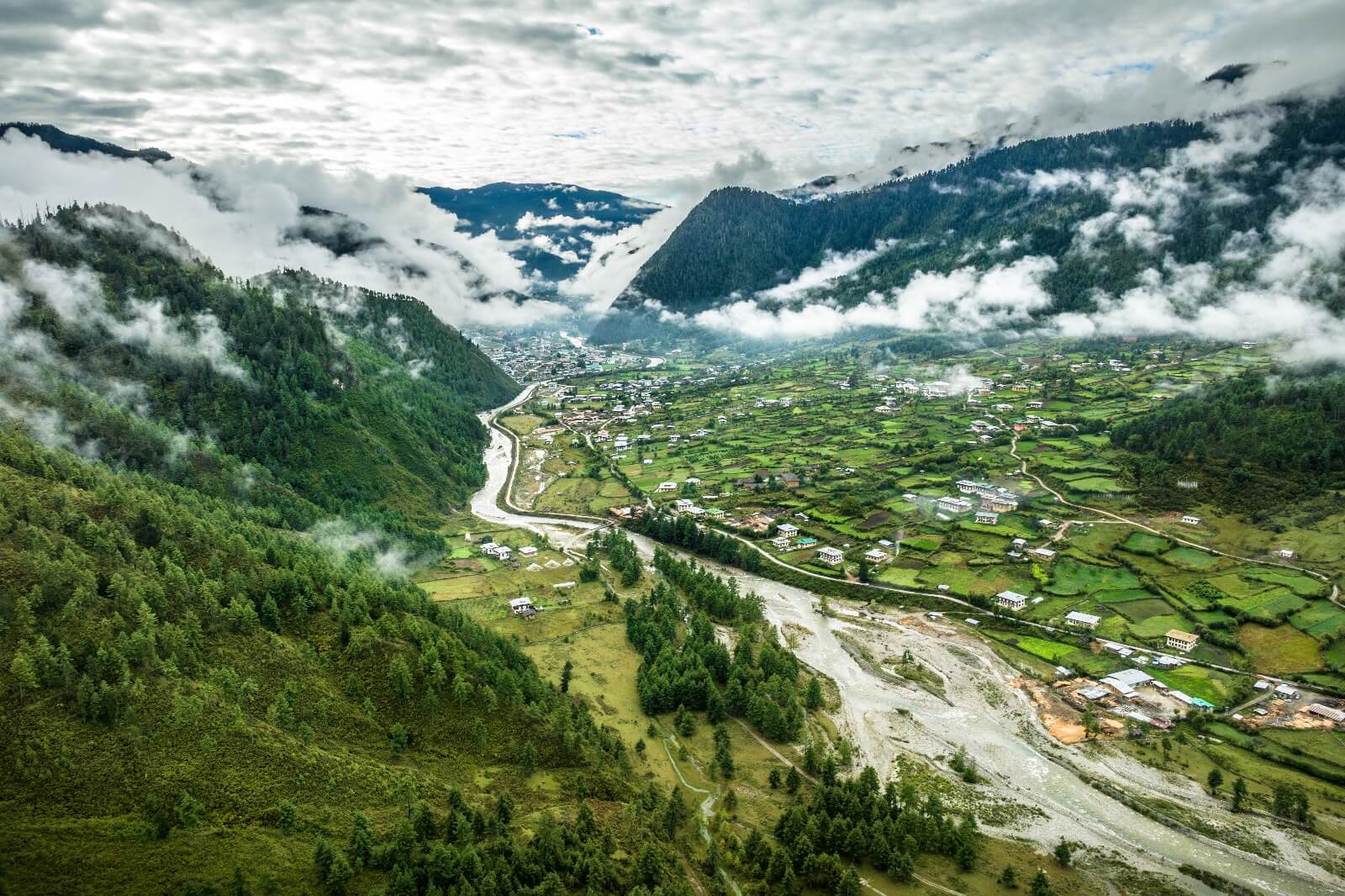
There’s something about standing on that cliffside balcony, looking down over the lush valley below, that sticks with you. The mix of awe at the views, reverence for the history, and a quiet sense of accomplishment makes Tiger’s Nest more than just a place, it’s an experience you carry with you long after you leave Bhutan.
💡 Interesting Fact:
In 1998, a devastating fire almost destroyed Tiger’s Nest, but Bhutanese artisans restored it carefully using traditional handcrafting techniques without nails or modern tools to keep its spirit alive and authentic.